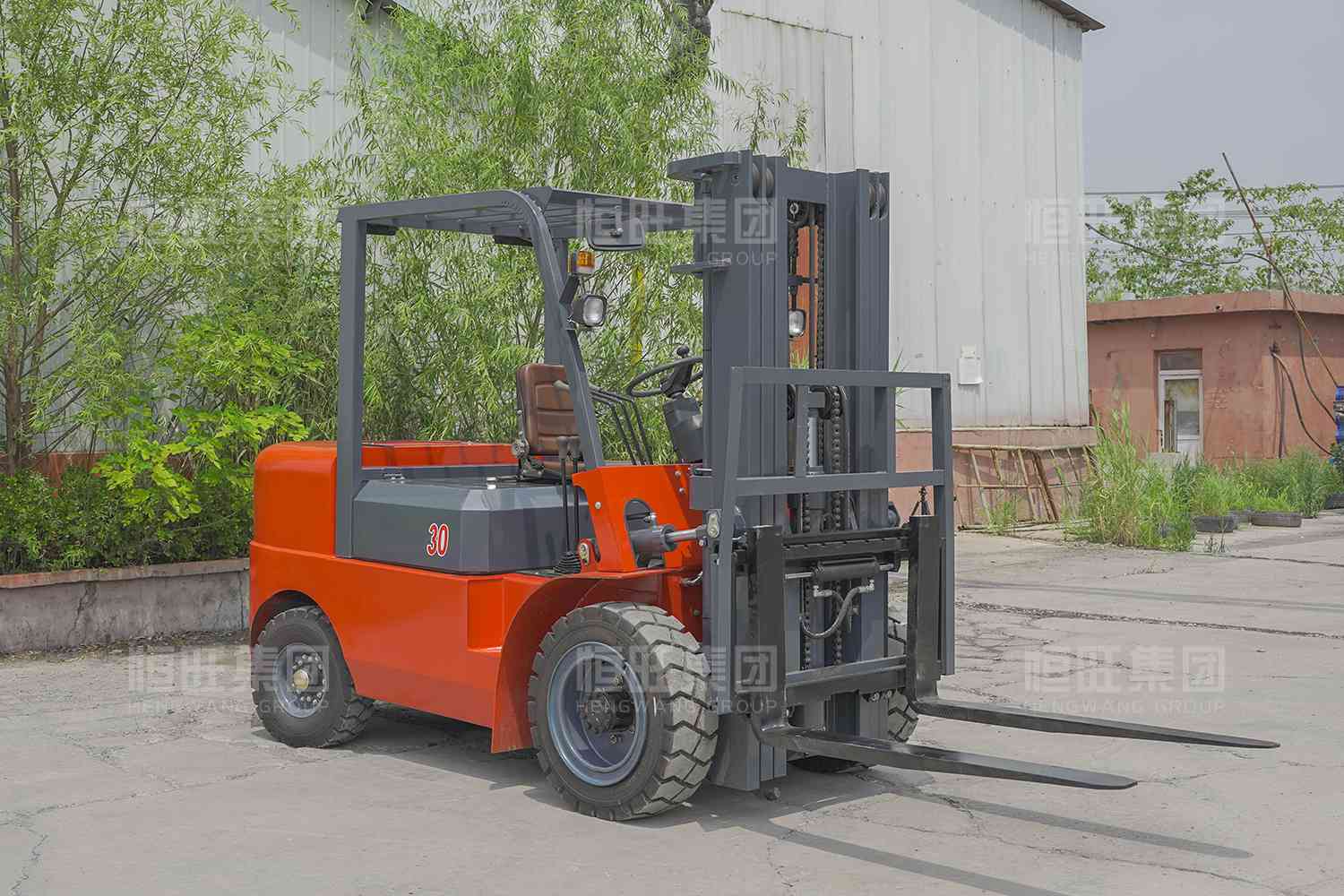
To address overheating in forklift cooling systems, start with the power unit:
Regularly adjust drive belt tension to prevent abnormal speeds in water pumps and fans.
Clean scale from engine cylinder cooling passages and repair leaks to ensure smooth coolant circulation.
Replace faulty thermostats promptly to activate the large coolant circulation loop.
Calibrate ignition timing to optimize combustion efficiency and reduce excess heat generation.
Select water pump impellers based on operating conditions to increase flow while avoiding cavitation.
As the core heat exchange component, the radiator requires:
Improved manufacturing processes (e.g., vacuum brazing) to minimize welding defects and leaks.
Protection during installation/operation to avoid damaging radiator fins, with regular cleaning of oil and debris buildup.
Upgrade to tube-and-fin cores for high-load scenarios to boost heat dissipation efficiency.
Modify radiator size (within cabin limits) and add air deflectors to optimize airflow distribution.
Optimize fan performance through:
Adjusting fan diameter, blade count, and angle to increase axial airflow while preventing radial airflow (which causes secondary heating of components).
Using curved blades to enhance static pressure efficiency and pairing with intelligent speed control (e.g., electromagnetic clutches) for dynamic cooling—high speed for heat dissipation, low speed for energy saving.
Establish a comprehensive maintenance plan:
Daily checks: Monitor coolant level, temperature alarms, and unusual fan noises.
Routine service: Clean the cooling system, test antifreeze properties, and replace aged seals annually.
Seasonal prep: Conduct full-system inspections before high-temperature operations.
Intelligent monitoring: Install smart temperature sensors to track real-time data and predict potential overheating risks.
Heavy-duty upgrades: Add auxiliary cooling devices (e.g., oil coolers) for forklifts operating under extreme loads.
This structured approach addresses overheating root causes, ensuring reliable forklift performance in high-temperature environments. Regular maintenance and component optimization are key to preventing engine damage and downtime.